

The Benefits of an Airfryer
Airfryers have taken the kitchen by storm, offering a convenient and healthy alternative to traditional frying methods. By circulating hot air at high speed, these appliances can produce crispy results with significantly less oil than conventional deep‑frying techniques. This not only reduces calorie intake but also minimizes exposure to harmful trans fats and acrylamide, a compound that forms when starchy foods are cooked at high temperatures.
Benefits of Healthier Cooking
When you choose an airfryer for your daily meals, you’re making a series of positive changes that extend beyond the kitchen. Below we explore how healthier cooking methods can improve overall well‑being, supported by practical tips and nutritional insights.
1. Lower Calorie Consumption
- Reduced Oil Use: Traditional frying requires large amounts of oil—often 200–300 calories per tablespoon—while an airfryer uses little to none.
- Controlled Portions: The compact size encourages smaller servings, helping maintain balanced energy intake.
2. Improved Heart Health
- Less Saturated Fat: Cutting down on frying oils decreases saturated fat consumption, lowering LDL cholesterol levels.
- Acrylamide Reduction: High‑temperature cooking can produce acrylamide, linked to oxidative stress; airfrying mitigates this risk by using lower oil temperatures.
3. Enhanced Nutrient Retention
- Vitamin Preservation: Water‑based vitamins such as vitamin C and folate are better retained when foods are cooked quickly with minimal moisture loss.
- Fiber Integrity: Whole grains, legumes, and vegetables maintain their fiber content in airfrying, supporting digestive health.
4. Convenient Meal Prep
- Time Efficiency: Airfryers typically cook faster than ovens, allowing for quick weekday dinners without sacrificing nutrition.
- Minimal Cleanup: Less oil means fewer greasy surfaces to clean—an often-overlooked benefit that encourages regular healthy cooking.
5. Versatility Across Diets
- Plant‑Based Options: From tofu nuggets to roasted chickpeas, airfryers excel at delivering plant‑based meals with satisfying textures.
- Low‑Carb Adaptations: Substitute high‑carb sides for cauliflower rice or zucchini noodles; the airfryer will crisp them to perfection.
6. Reduced Food Waste
- Batch Cooking: Airfryers are ideal for preparing small batches, reducing the likelihood of leftovers that go stale.
- Ingredient Flexibility: Experiment with leftover vegetables and proteins; the appliance’s rapid cooking time keeps them fresh.
7. Psychological Well‑Being
- Satisfaction from Healthy Choices: Knowing you’re feeding your body nutrient‑dense meals can boost self‑esteem and motivation.
- Reduced Stress: The simplicity of airfry cooking—set it, forget it—lowers the mental load associated with meal preparation.
8. Long‑Term Cost Savings
- Oil Replacement: Traditional frying requires frequent oil changes; an airfryer eliminates this expense.
- Lifespan: Modern models boast durable components that reduce the need for replacement, making healthy cooking economically sustainable.
Practical Tips for Maximizing Health Benefits with Your Airfryer
- Use a spray bottle to lightly mist foods before air‑frying—just enough oil for crispness without excess.
- Season with herbs, spices, and citrus zest instead of salt-heavy marinades.
- Experiment with lower temperature settings for delicate items like fish or tofu to preserve moisture.
- Combine airfry cooking with a balanced plate: half veggies, one quarter protein, and a healthy carbohydrate source.
By integrating an airfryer into your culinary routine, you harness the power of healthier cooking without compromising on flavor or convenience. These benefits collectively contribute to better heart health, weight management, and overall well‑being—making the airfryer not just a kitchen gadget but a valuable ally in achieving long‑term nutritional goals.
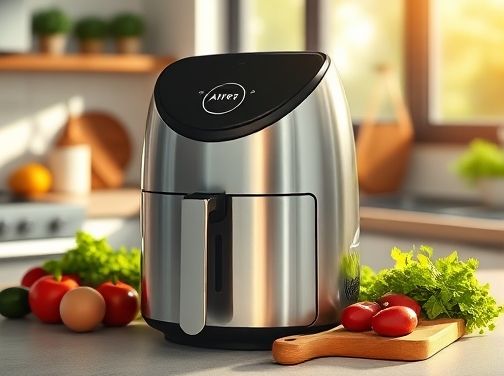
The Benefits of an Airfryer
Time and Energy Savings with an Airfryer
When it comes to modern kitchen appliances, the airfryer has quickly become a staple for those seeking convenience without compromising on flavor. One of its most compelling advantages is the significant reduction in both cooking time and energy consumption compared to traditional ovens or deep-frying methods.
First, let’s consider preparation time. Traditional frying requires heating oil in a pan, carefully monitoring temperature, and frequently turning food to ensure even crisping. An airfryer, on the other hand, preheats in a matter of minutes—often just three to five—thanks to its compact size and efficient convection system. This means you can go from raw ingredients to plated dish in less than 20 minutes for most recipes.
Cooking time is equally impressive. Foods that normally take 30 to 45 minutes in a conventional oven are ready in 10 to 15 minutes in an airfryer. The rapid circulation of hot air ensures that heat reaches every surface, producing a uniformly browned exterior while keeping the interior moist. For instance, frozen French fries go from bag to crisp snack in under 12 minutes, and chicken wings that would normally roast for half an hour are done in just 18 minutes.
Energy savings stem directly from these time reductions. An airfryer’s smaller cooking chamber means less space to heat, which translates into lower power usage per batch. While a standard oven might consume between 2,000 and 3,000 watts during operation, most airfryers draw only about 1,200 to 1,800 watts. When you factor in the shorter cook times, the overall energy expenditure drops dramatically.
In addition to raw wattage, the efficiency of heat transfer is higher in an airfryer. The forced-air system eliminates much of the energy wasted on heating empty space, a common issue with larger ovens that must fill the entire interior volume before reaching the desired temperature. This means each joule of electricity goes directly toward cooking your food.
Beyond the kitchen, these time and energy benefits have broader environmental implications. By reducing household electricity consumption, airfryers contribute to lower greenhouse gas emissions—especially important as many regions shift toward renewable energy sources. Over a year, a single household could cut its appliance-related carbon footprint by several kilograms of CO₂ simply by swapping out an oven for an airfryer on a regular basis.
For busy families or individuals with limited kitchen space, the time saved also translates into more free hours for work, exercise, or leisure. The quick preheat and rapid cooking cycle mean you can prepare a healthy dinner while your kids finish homework or catch up on a favorite show—all without waiting around for an oven to come to life.
Finally, the simplicity of operation is worth noting. With preset cooking modes for common foods—such as fries, chicken, fish, and even desserts—airfryers eliminate guesswork. No more fiddling with timers or temperature gauges; you simply set the desired time and let the machine do the rest.
In summary, an airfryer offers a trifecta of advantages: faster cooking times, lower energy consumption, and ease of use. These factors combine to make it an indispensable tool for anyone looking to streamline meal preparation while also being mindful of both their budget and the planet.

Versatile Recipes Beyond Fried Foods
The airfryer is often celebrated for its ability to produce crispy, golden dishes with less oil than traditional frying methods. However, its versatility extends far beyond the realm of fried foods. By harnessing the appliance’s even heat distribution and rapid airflow, you can create a wide array of savory, sweet, and healthy meals that showcase both flavor and nutrition.
One of the most exciting aspects of airfrying is the ability to roast vegetables with remarkable ease. Toss carrots, Brussels sprouts, or cauliflower florets in a light coat of olive oil, sprinkle with sea salt and your favorite herbs, then pop them into the basket for 15–20 minutes at 375°F (190°C). The result is a caramelized exterior that locks in natural sugars while maintaining a tender interior—perfect for a quick side dish or a wholesome addition to salads.
Proteins also thrive in an airfryer. Chicken breasts, salmon fillets, and tofu cubes benefit from the appliance’s ability to seal moisture on the surface, yielding juicy results without the need for excessive oil. Marinate chicken in a mixture of soy sauce, honey, garlic, and ginger, then cook at 400°F (200°C) for about 12 minutes, flipping halfway through. For salmon, simply season with lemon zest, dill, salt, and pepper; airfry at 375°F (190°C) for 10–12 minutes until flaky.
Breakfast lovers will appreciate the range of options available. Egg muffins, made by whisking eggs with spinach, diced bell peppers, onions, and shredded cheese, can be poured into silicone muffin cups and cooked in the airfryer at 350°F (175°C) for 10–12 minutes. Overnight oats or fruit crisps also benefit from a quick pass through the appliance—just drizzle over a handful of berries, sprinkle with cinnamon, and bake until bubbly.
Even desserts find a place in the airfryer’s repertoire. Apple chips can be sliced thinly, lightly sugared, and airfried at 300°F (150°C) for 15–20 minutes until crisp. Mini banana bread or chocolate chip cookies made from healthier ingredients—such as oat flour and natural sweeteners—are also a treat. Simply bake the batter in silicone molds or parchment-lined trays; the rapid circulation ensures even cooking without overbrowning.
Beyond taste, these recipes offer nutritional advantages. By eliminating deep frying, you reduce unnecessary fats while preserving essential nutrients. The high-heat, low-oil method enhances protein absorption and encourages the retention of vitamins that might otherwise be lost during prolonged oil immersion. Moreover, the airfryer’s quick cooking times mean less time in the kitchen, allowing you to enjoy a balanced diet without sacrificing convenience.
In conclusion, the airfryer is not merely a tool for crispy fries or chicken nuggets—it’s an all‑purpose kitchen companion that can transform everyday ingredients into flavorful, healthful dishes. From roasted vegetables and tender proteins to breakfast delights and guilt‑free desserts, this versatile appliance opens up a world of culinary possibilities beyond fried foods.
The Benefits of an Airfryer
An airfryer has quickly become a staple in modern kitchens, offering a healthier alternative to deep‑frying while still delivering that crispy texture we all love. Beyond the obvious health perks, there are numerous eco‑friendly advantages that make this appliance a smart choice for environmentally conscious consumers.
Eco‑Friendly Kitchen Appliance Advantages
When you choose an airfryer, you’re not just improving your diet—you’re also reducing your household’s environmental footprint. Below are the key eco‑friendly benefits of incorporating an airfryer into your cooking routine:
- Lower Energy Consumption
Airfryers use convection heat to cook food, which requires less power than conventional ovens or stovetops. A typical airfryer consumes between 800–1500 watts, whereas an oven can draw up to 5000 watts for a single meal. This significant reduction in energy usage translates directly into lower electricity bills and fewer greenhouse gas emissions. - Reduced Food Waste
Because airfryers cook food quickly and evenly, there’s less chance of overcooking or burning. Precise temperature control means you’re more likely to achieve the desired doneness without wasting leftovers. Additionally, many models come with adjustable racks that allow you to cook multiple items simultaneously, maximizing kitchen space and minimizing unused ingredients. - Less Water Usage
Traditional deep‑frying often requires large amounts of oil that must be disposed of properly. In contrast, airfryers need only a minimal amount of oil—sometimes just a light spray—to achieve crispness. This not only saves on the cost and environmental impact of purchasing oil but also reduces water usage in the process of cleaning up oil‑laden pans. - Compact Design Saves Space
Smaller appliances mean less space needed for storage, which is particularly beneficial in compact living situations. A smaller footprint also translates to lower manufacturing and transportation energy requirements compared to larger kitchen gadgets. - Reusable and Recyclable Materials
Many airfryers are now manufactured with recyclable plastics and stainless steel components. Brands increasingly offer take-back programs or use eco‑friendly packaging, ensuring that the appliance’s lifecycle has minimal environmental impact when it reaches its end of life. - Encourages Healthier Cooking Habits
By making it easier to prepare lean proteins and roasted vegetables without excessive oil, airfryers promote a balanced diet. A healthier population can reduce the strain on healthcare systems, indirectly benefiting the environment through lower medical resource consumption.
Choosing an Eco‑Friendly Airfryer: What to Look For
- Energy Efficiency Rating: Check for ENERGY STAR certification or a high-efficiency rating.
- Material Quality: Opt for models with stainless steel interiors and recyclable plastic exteriors.
- Warranty & Support: A longer warranty indicates durability, reducing the need for frequent replacements.
- User Reviews on Durability: Real‑world usage data can confirm that a product holds up over time.
Incorporating an airfryer into your kitchen isn’t just about convenience; it’s a step toward a more sustainable lifestyle. By lowering energy consumption, reducing waste, and encouraging healthier cooking practices, this small appliance delivers significant environmental benefits while still letting you enjoy all the flavors of fried foods.

The Benefits of an Airfryer
In recent years, the airfryer has become a staple in kitchens around the world. Its promise of crispy, indulgent foods with significantly less oil and mess is hard to ignore. But not every airfryer fits every household’s needs. Choosing the right model for your lifestyle can maximize convenience, health benefits, and overall satisfaction.
Choosing the Right Airfryer for Your Lifestyle
The decision boils down to three core factors: size & capacity, features & versatility, and budget & durability. By evaluating each of these, you can find an airfryer that feels like a natural extension of your cooking routine.
1. Size & Capacity
- Compact models (≤ 2‑qt): Ideal for single occupants or small apartments where counter space is at a premium. They’re lightweight, easy to store, and typically have lower energy consumption.
- Mid‑range units (3‑4 qt): A sweet spot for couples or roommates who cook daily but don’t need to feed large families. These models often balance speed with ample cooking space.
- Large capacities (5‑qt+): Best suited for households that entertain frequently or prefer batch cooking. They allow you to prepare multiple dishes simultaneously, saving time during busy evenings.
2. Features & Versatility
- Temperature range and presets: A wide temperature spectrum (180°F–400°F) offers flexibility from roasting nuts to baking pastries. Pre‑set menus for chicken, fries, or fish reduce guesswork.
- Timer & auto‑pause functions: Handy for multitasking—start a meal, leave the house, and return to perfectly cooked food without overcooking.
- Multi‑functionality (airfry + roast + grill): Some models double as mini ovens or dehydrators. If you enjoy experimenting with different cooking styles, this can save you from owning multiple appliances.
- Smart connectivity: Wi‑Fi enabled units let you control the fryer via a smartphone app, receive alerts, and download new recipes—great for tech‑savvy users who love to stay connected.
3. Budget & Durability
- Entry‑level (under $100): Basic yet reliable. Look for a reputable brand with solid customer reviews and a good warranty. These are often sufficient for occasional use.
- Mid‑range ($100–$250): Offers more advanced features—larger capacity, better heat distribution, and a more robust build quality.
- Premium (> $250): Premium materials (e.g., stainless steel housing), extensive accessories, and superior performance. Ideal for heavy users who value longevity over price.
Practical Tips for Decision Making
- Assess your cooking habits. If you frequently cook quick meals, a compact model with fast heat-up time is key.
- Consider counter space. Measure the area where you’ll place the appliance to avoid clutter.
- Read user reviews. Pay attention to comments about ease of cleaning, noise level, and build quality.
- Check for warranties. A two‑year warranty can be a good indicator of manufacturer confidence in durability.
Ultimately, the right airfryer aligns with your daily routines, kitchen layout, and culinary aspirations. By thoughtfully weighing size, features, and price, you’ll invest in an appliance that not only delivers healthier meals but also enhances your overall cooking experience.